An EU cosmetic encyclopedia
Every cosmetic ingredient, by EU rules.
An independent, chemistry-backed encyclopedia of every ingredient regulated by EU Cosmetics Regulation 1223/2009. Search by name, CAS number, or function. See what's banned, what's restricted, and what each substance actually does.
Get to know them
Popular ingredients
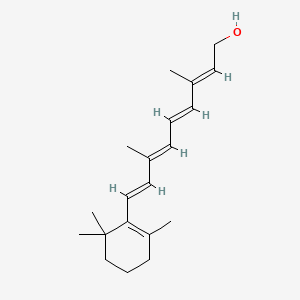
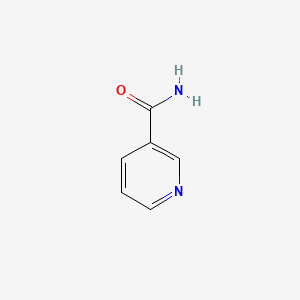
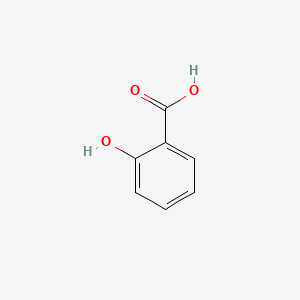
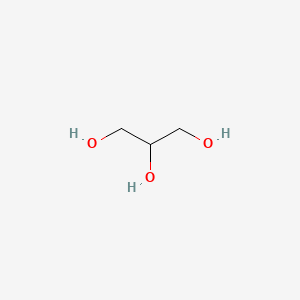
By function
Browse by function
What an ingredient is for — humectants, preservatives, surfactants, and 76 other categories.
By EU regulation
Browse by EU regulation
Annexes II–VI of Regulation 1223/2009 list which substances are banned, restricted, or specifically permitted as colorants, preservatives, and UV filters.
- Banned (Annex II) 788 substances prohibited in EU cosmetics
- Restricted (Annex III) 760 substances permitted only under specific conditions
- Permitted colorants (Annex IV) 178 permitted colorants
- Permitted preservatives (Annex V) 123 permitted preservatives
- Permitted UV filters (Annex VI) 30 permitted UV filters
Three steps
How this works
Search any ingredient
Type the INCI name from a product label, or a CAS number, or a function. We'll show what it is, what it does, and how the EU regulates it.
Read the regulatory facts
Each ingredient page tells you whether it's banned, restricted, or freely allowed in cosmetics on the EU market — with the specific Annex entry of Regulation 1223/2009.
Compare and decide
Browse related ingredients with the same function, or jump to the full Annex II / III lists of substances with regulatory limits.
Common questions
Frequently asked questions
What is INCI?
INCI stands for International Nomenclature of Cosmetic Ingredients — the standardized naming system used on cosmetic product labels worldwide. The same INCI name on a German shampoo and a Mexican shampoo refers to the same substance.
Why an EU-specific ingredient encyclopedia?
The EU has stricter cosmetic ingredient regulation than most jurisdictions, including a list of around 1,400 banned substances. Many existing ingredient databases are US-focused and miss EU-specific bans, restrictions, and allergen disclosure rules. Cosmadex reflects the rules that actually apply to products sold in Europe.
Where does the data come from?
Ingredient identity, function, and regulatory status are sourced from the European Commission's CosIng database, the official EU inventory linked to Regulation (EC) No 1223/2009. Data is reused under EU public-sector information terms.
Is this medical or legal advice?
No. Cosmadex is an informational reference. It is not medical advice, allergy guidance, or legal compliance advice. For specific questions about whether a product or ingredient is right for you, consult a doctor, dermatologist, or qualified professional.